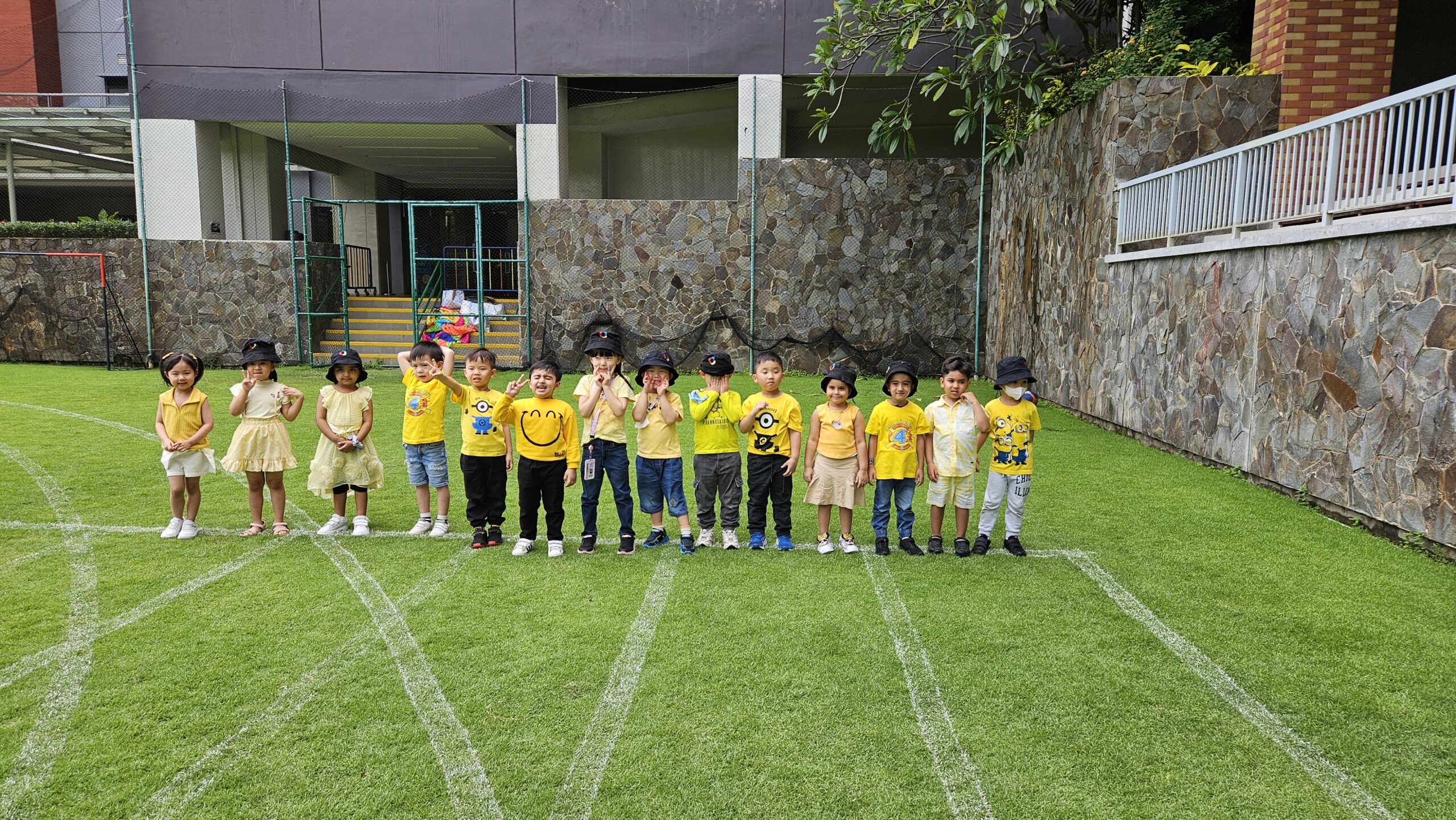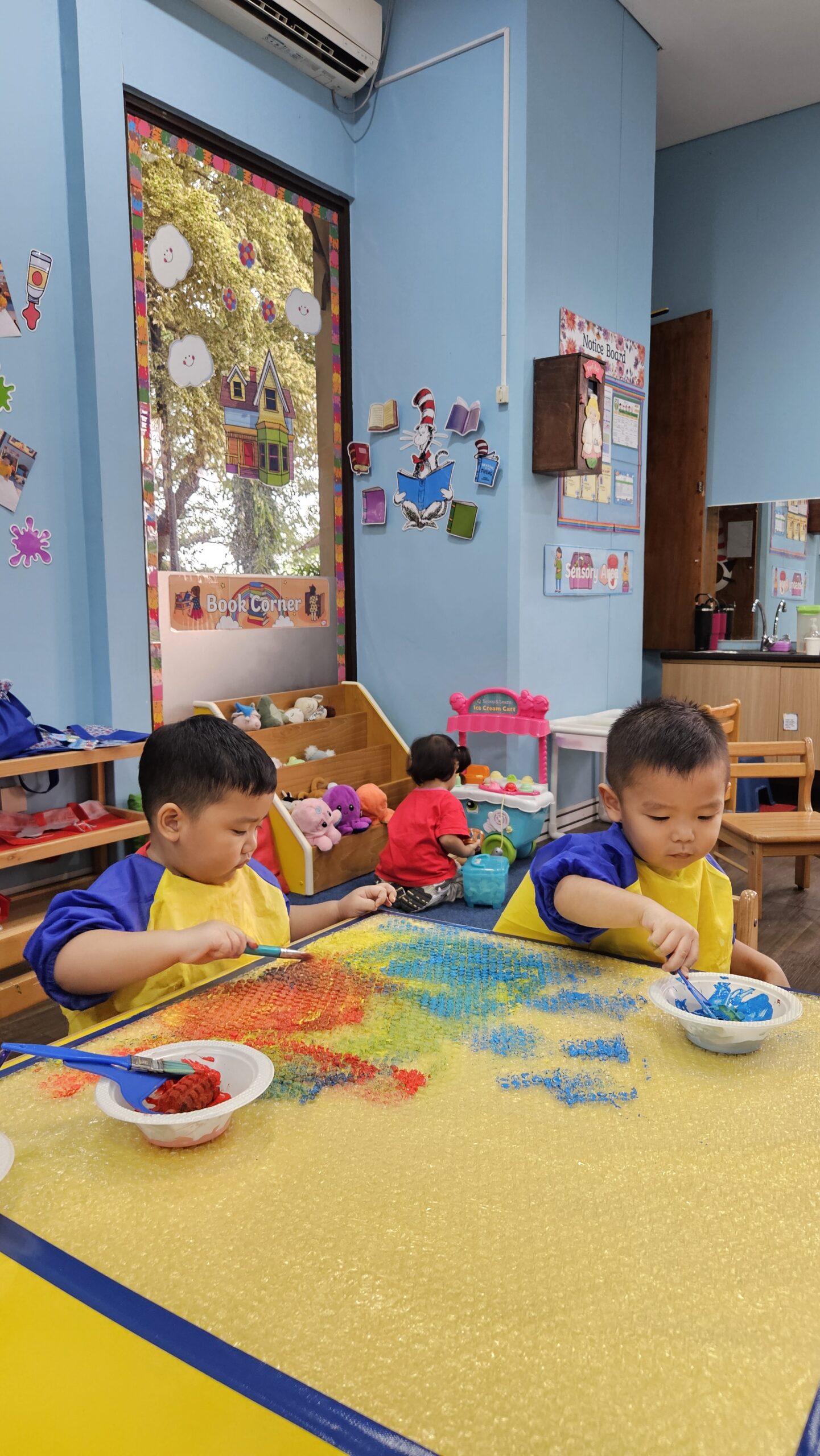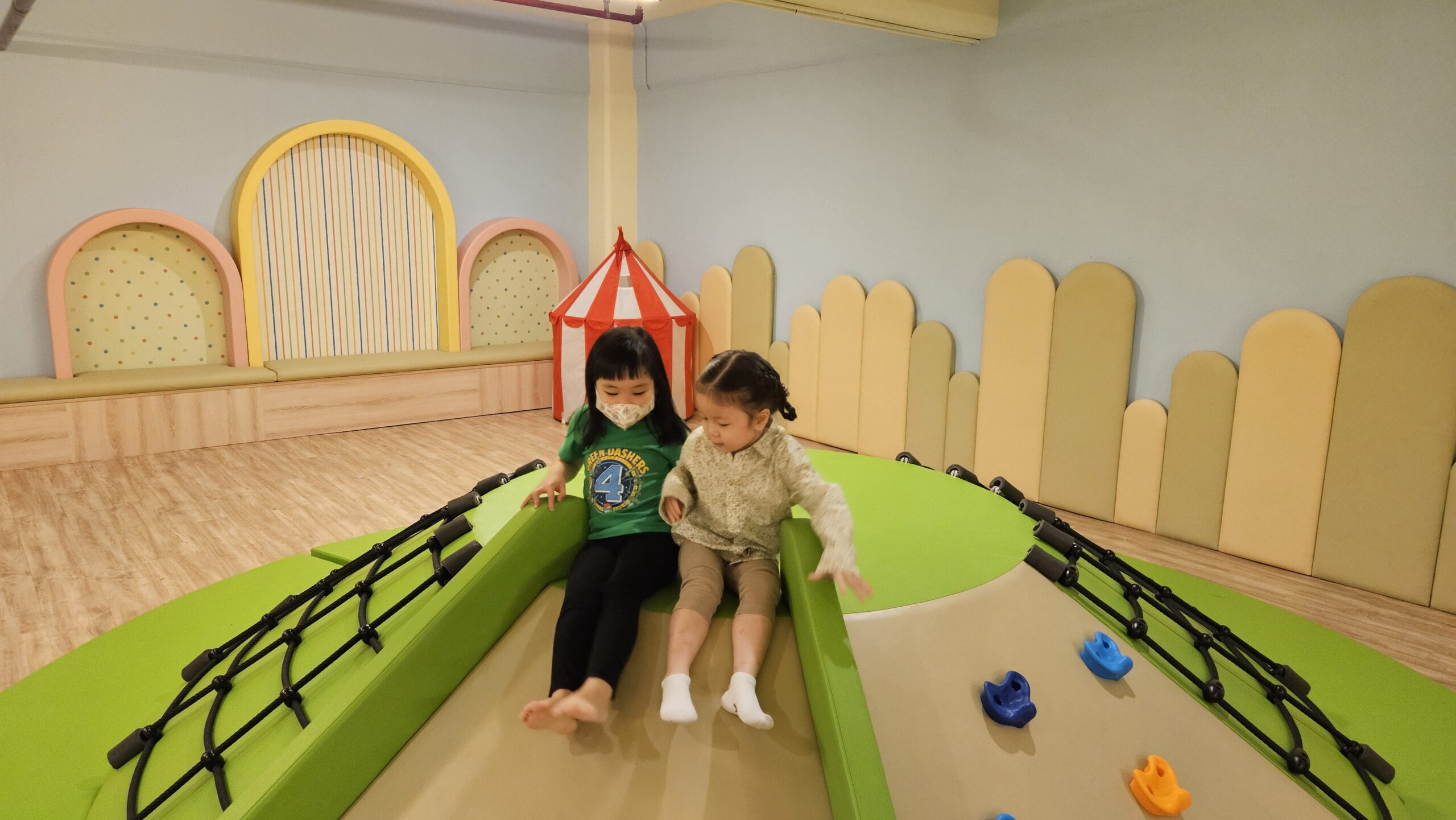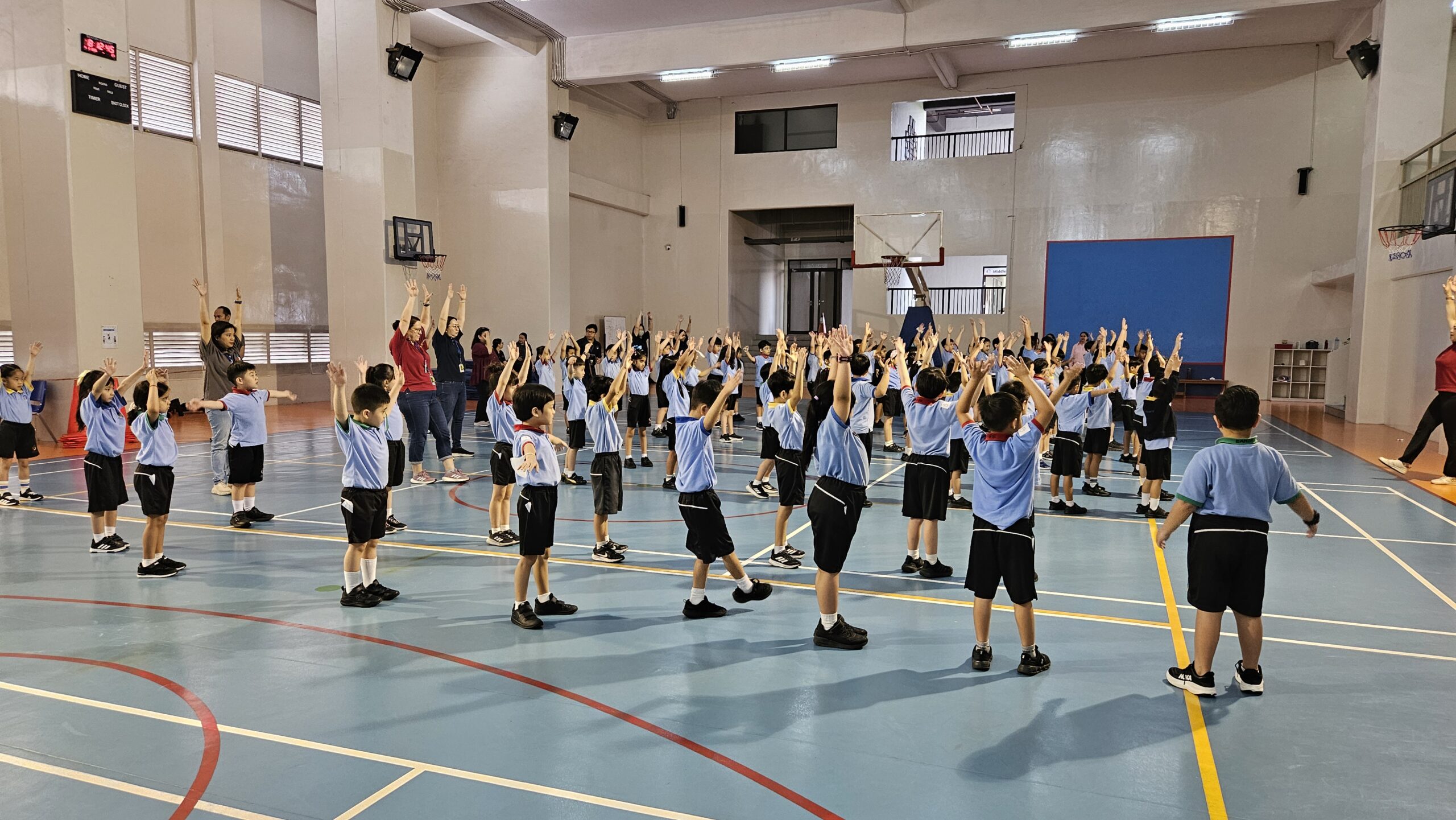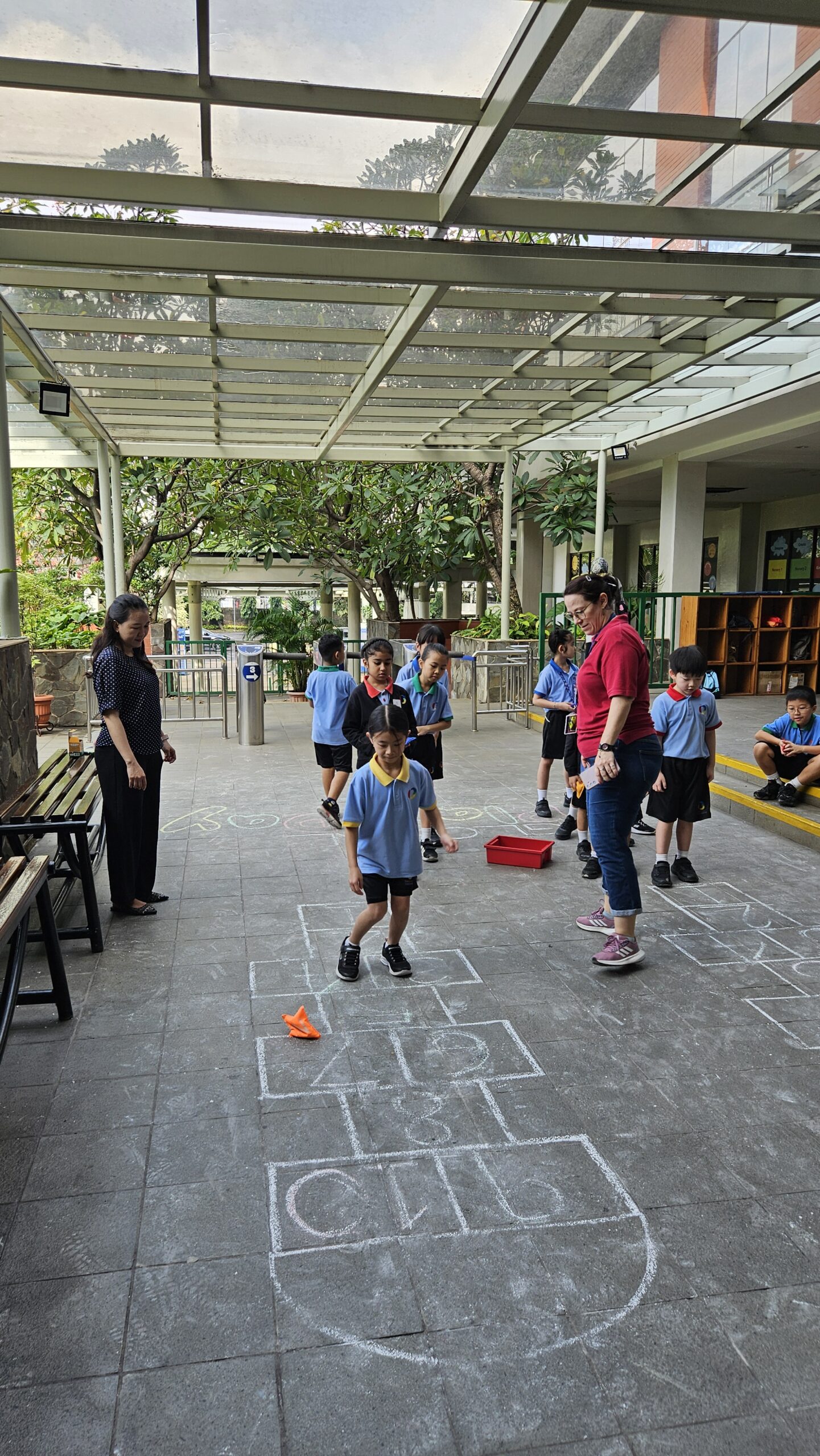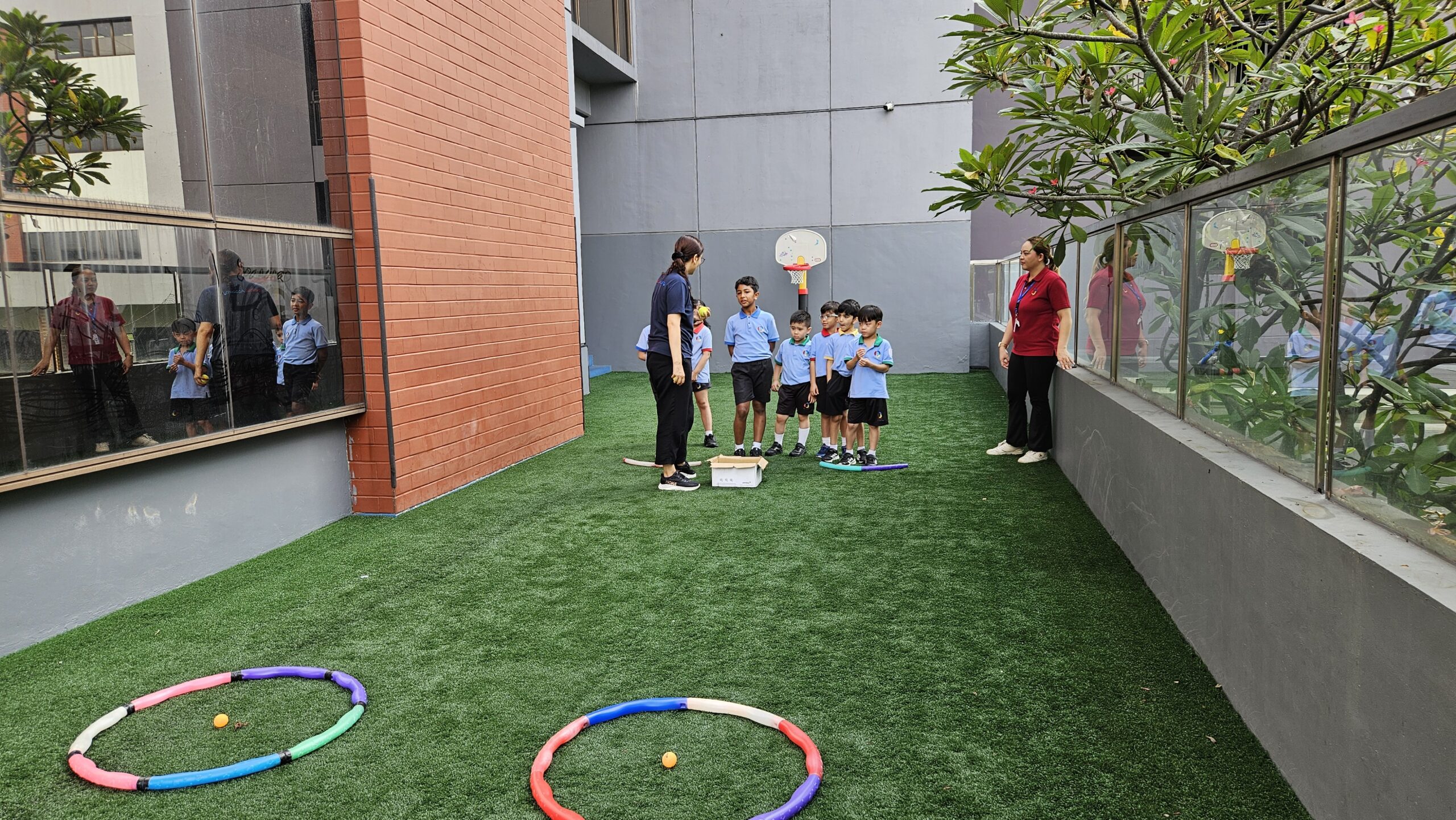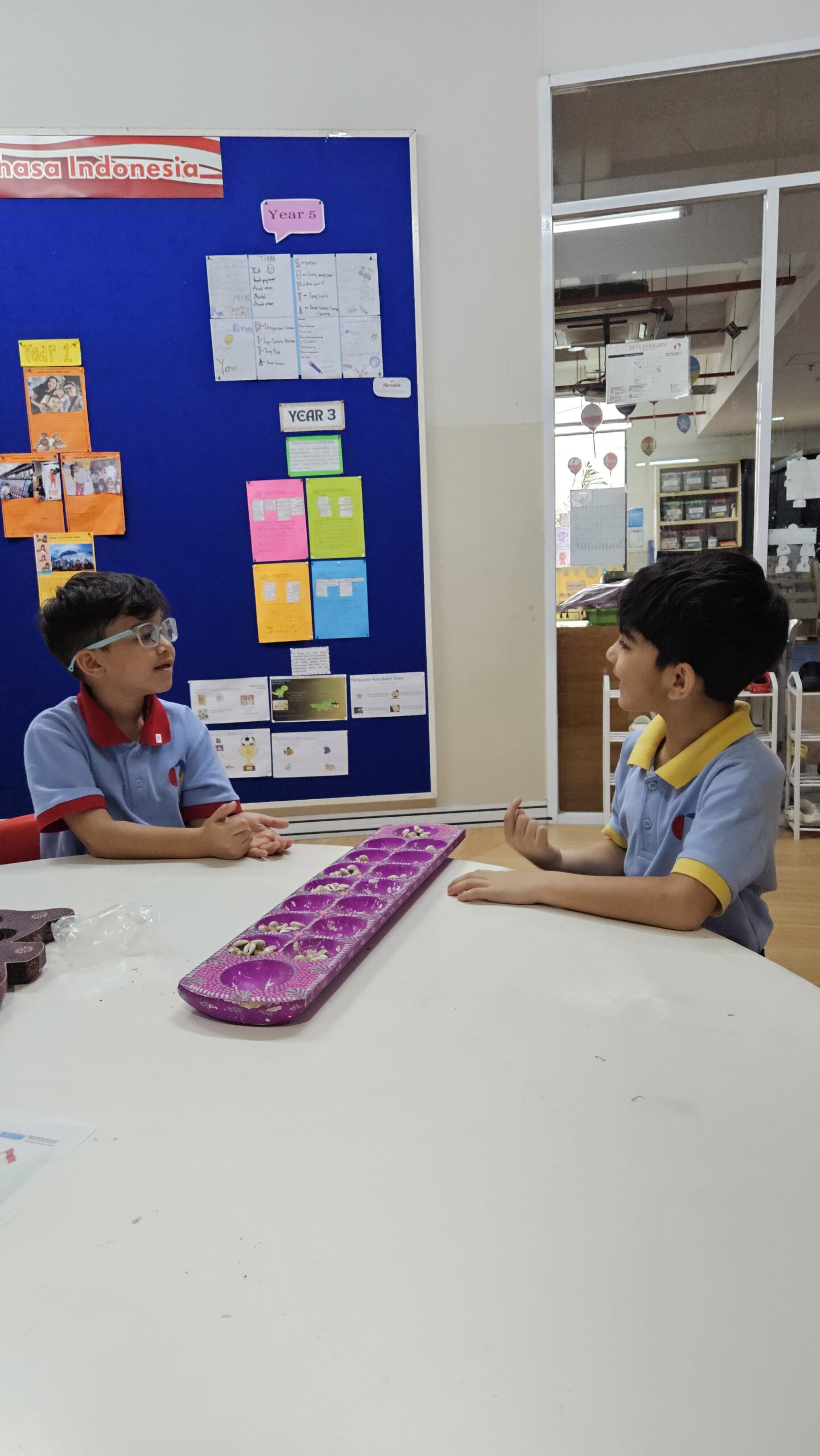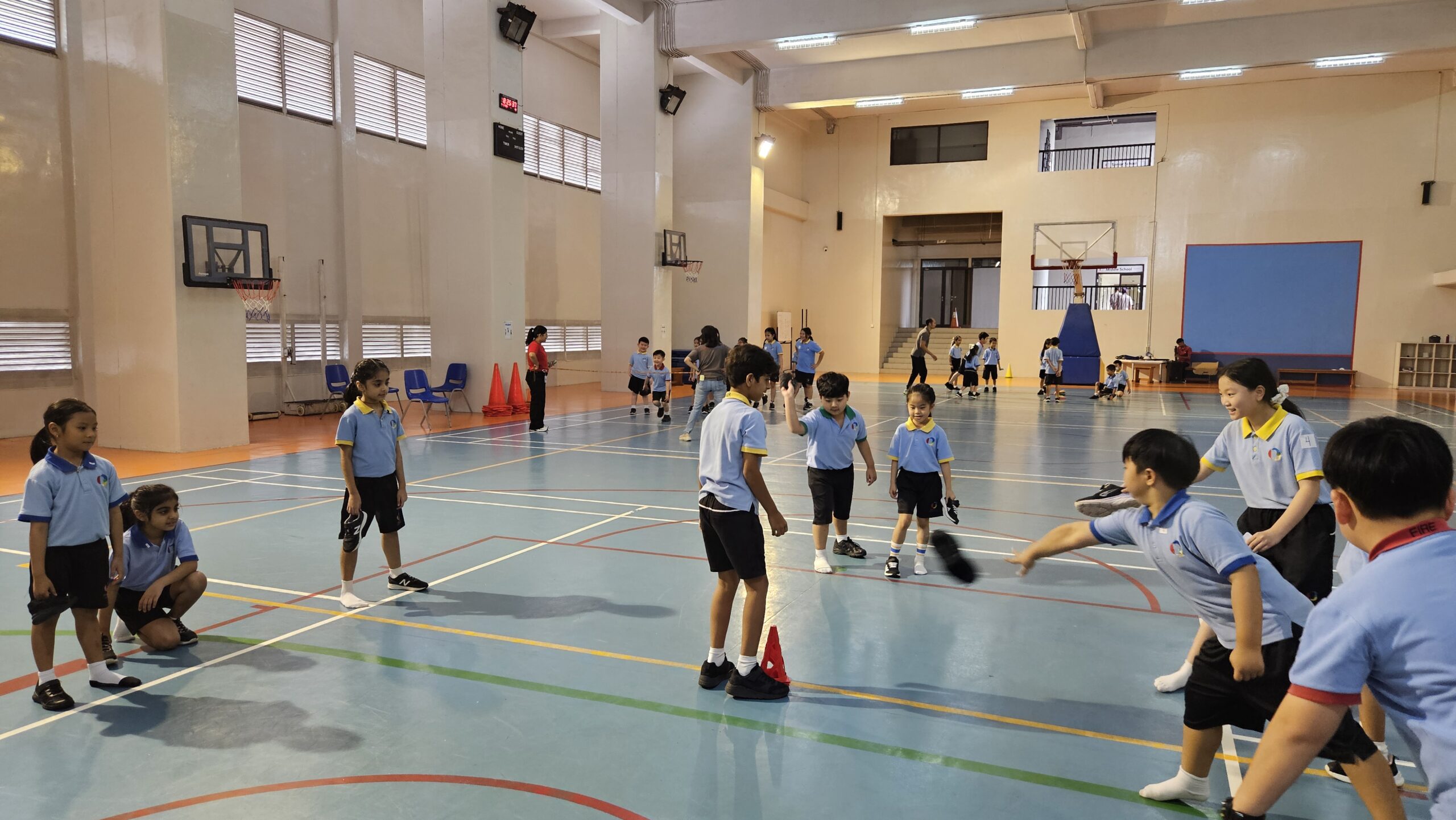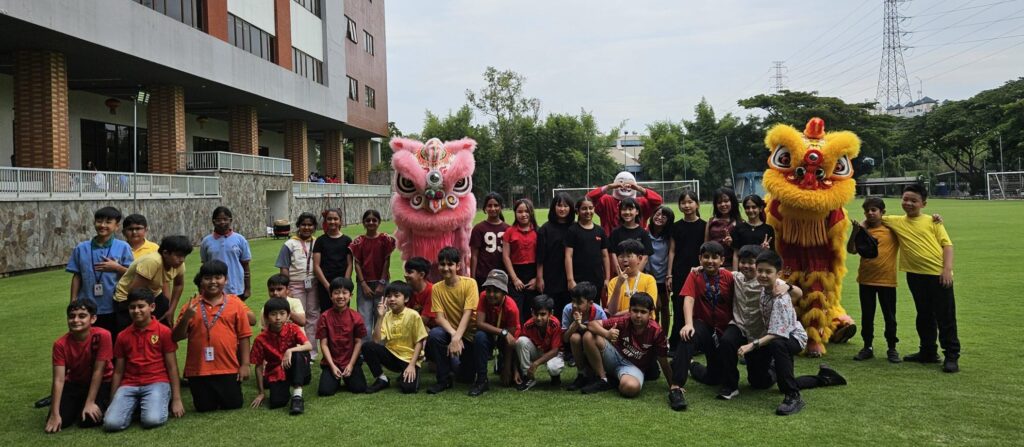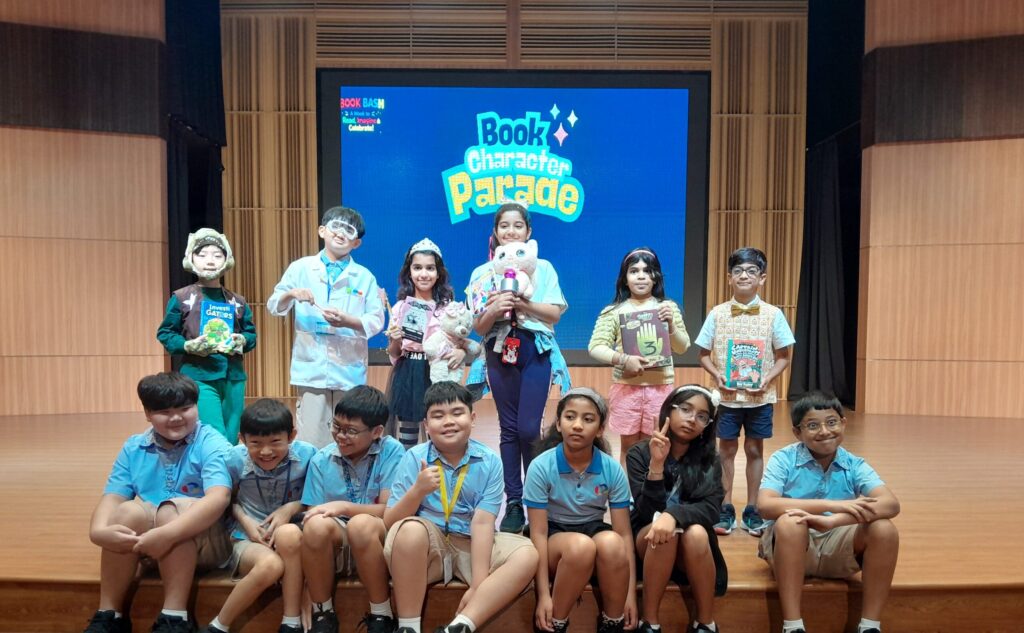




Global Play Day at Beacon Academy offered a powerful reminder of something beautifully simple: international mindedness does not always need to be taught—it can be experienced.
As part of our ongoing commitment to nurturing globally aware learners, this year we chose to celebrate traditional games from around the world. However, we intentionally stepped away from the usual approach of research, reading, and presentations. Instead of learning about traditional games, our students learned through playing them—particularly those that felt unfamiliar.
A large map guided children to different parts of the school, where traditional games had already been set up and were waiting to be explored. The setup alone sparked immediate curiosity. Eyes widened at the sight of beads, wooden blocks, and handcrafted materials. Even before the rules were explained, learners were observing, questioning, and forming hypotheses. Inquiry emerged naturally and authentically—without prompting. Play itself became the catalyst.
We began locally, introducing an Indonesian traditional game, and then gradually expanded outward to games from India, France, and the United States. Moving from local to global, culture was not delivered as information to be memorised; it was experienced, shared, and felt.
In a world where childhood is increasingly structured and tightly scheduled, moments like these matter deeply. Play opens doors that classroom walls sometimes cannot. Simply offering learners the opportunity to engage with a new game generated deeper curiosity and richer conversations than any worksheet or video could have achieved.
Global Play Day reaffirmed that international mindedness is not merely a concept within a curriculum. It is something to be lived, explored, and joyfully played—together.